
When it’s time to upgrade your HVAC system, you often need to decide between a traditional gas furnace paired with a central air conditioner or a dual-fuel system that combines a heat pump with a gas furnace. While both systems can effectively heat and cool your home, they operate differently and offer unique advantages depending on your climate, energy goals, and budget.
Below, we’ll discuss the differences in cost, efficiency, and long-term performance to help you make the right investment for your home.
What Is a Dual-Fuel HVAC System?
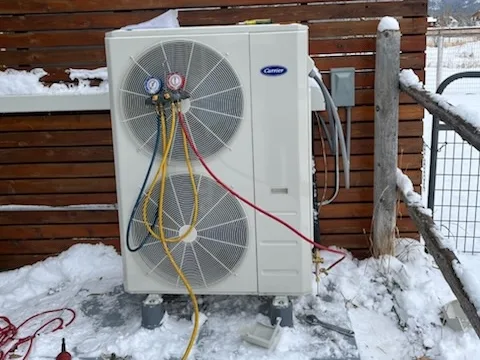
A dual-fuel system combines two heating technologies into one setup: an electric heat pump and a gas furnace backup.
The heat pump handles both heating and cooling during milder temperatures by transferring heat rather than generating it. In heating mode, it extracts heat from outside air and releases it indoors, and in cooling mode, it acts like a standard central air conditioner, moving heat from inside the home to the outside.
When outdoor temperatures become too cold for the heat pump to operate efficiently, the system automatically switches to the gas furnace for stronger, more reliable heating.
This combination allows homeowners to take advantage of the efficiency of a heat pump while still having dependable heating during extreme winter weather.
How a Traditional Furnace and Air Conditioner System Works
A traditional HVAC setup includes a gas furnace for heating and a central air conditioner for cooling. The furnace generates heat through natural gas combustion, while the air conditioner removes heat from the home during warmer months.
These systems have been standard in residential homes for decades because of their reliability and strong heating capabilities.
Initial Installation Costs
One of the biggest differences between these systems is the upfront cost.
Traditional Heating and Air Conditioning
A furnace and air conditioner combination typically has a lower installation cost because the equipment and installation process are more straightforward.
Factors affecting cost include furnace efficiency rating, AC size and SEER rating, ductwork condition, and home size.
Dual-Fuel System
Dual-fuel systems often cost more upfront because they include a heat pump, a gas furnace, and additional controls and system integration. While installations are higher initially, many homeowners offset these costs over time through lower energy usage and improved efficiency.
Energy Efficiency Comparison
Energy efficiency is where dual-fuel systems often stand out.

Heat Pump Efficiency
Heat pumps are highly efficient because they transfer heat instead of creating it. During moderate temperatures, they use significantly less energy than a gas furnace. Modern heat pumps use less electricity, reduce monthly utility costs, and improve year-round efficiency.
Gas Furnace Efficiency
Gas furnaces are rated by AFUE (Annual Fuel Utilization Efficiency). High-efficiency furnaces can achieve a rating above 95%, which means most fuel is converted into usable heat.
However, furnaces always burn fuel to create heat, which can lead to higher operating costs depending on natural gas prices and the current season.
Operating Costs Throughout the Year
Dual-Fuel System
A dual-fuel system automatically uses the most cost-effective heating method based on outdoor conditions. This helps lower heating costs during mild weather, reduce strain on your furnace, improve seasonal efficiency, and provide you with energy savings over time.
Traditional Furnace & Air Conditioner
Traditional systems may cost more to operate annually because the furnace handles all heating demand, the air conditioner only provides cooling, and you have less flexibility when it comes to energy use.
However, if you live in an extremely cold climate where you need to run your furnace for a long period, a traditional system may be the most practical and dependable option.
Which System Is Better for Your Home?
Dual-Fuel System
Choose this HVAC system if you:
- Want lower long-term energy costs
- Live in a region with moderate winters
- Want greater energy efficiency
- Plan to stay in your home long-term
- Are interested in environmentally friendly heating solutions
Traditional Furnace & AC System
Choose a traditional furnace and AC system if you:

- Want lower upfront installation costs
- Live in an area with long, harsh winters
- Prefer simpler HVAC equipment
- Already have existing gas furnace infrastructure
- Want strong heating performance in extreme cold
The Bottom Line
Both dual-fuel HVAC systems and traditional furnace and air conditioner setups offer reliable home comfort, but the right choice depends on your wants, needs, and preferences. Working with a qualified HVAC professional can help you determine which system will give you the best balance of comfort, efficiency, and value for your household.
Follow Us