
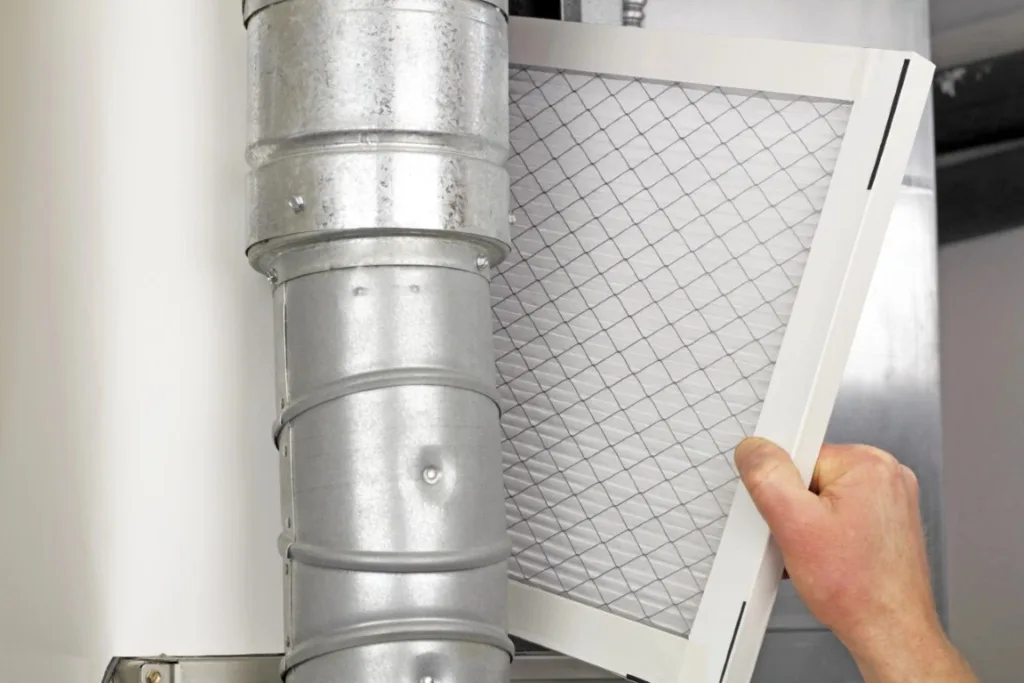
Keeping your home’s heating and cooling system running smoothly starts with one simple habit: changing your air filters regularly. It’s one of the easiest and most cost-effective ways to improve indoor air quality, boost system efficiency, and prevent expensive repairs. But how often should you actually replace them?
Here’s everything homeowners need to know.
Why Air Filters Matter
Air filters trap dust, pollen, pet dander, mold spores, and other airborne particles before they flow through your home. When a filter becomes clogged:
- Your HVAC system has to work harder
- Your energy bills increase
- Indoor air and surfaces become dirtier
- HVAC equipment experiences increased wear and tear
Staying on top of replacements helps your system breathe and keeps your home healthier.
General Rule of Thumb: Every 30–90 Days
Most standard one-inch filters need to be replaced every one to three months, depending on:
- Filter type
- Home size
- Lifestyle
- Indoor air quality
- Season and usage
However, this is just a baseline. Some homes may need more frequent changes, while others can go longer.
How Often to Replace Your Air Filter (By Situation)
Homes with Pets (30 to 60 Days) — Pets shed dander and hair that can quickly clog filters. If you have multiple pets, you may want to replace your air filter every 30 days.
Allergy Sufferers (Every 30 to 45 Days) — If anyone in your home has allergies, a clean filter plays an important role in keeping irritants out of the air.
High-Use Seasons (Every 30 Days) — During peak heating and cooling months (summer and winter), your HVAC system runs more often, so filters fill faster.
Vacation Homes or Part-Time Residences (Every 6–12 Months) — If you don’t run your system consistently, filters won’t trap nearly as much dust.
Higher-Quality Filters (Pleated/MERV 11–13) (Every 60–90 Days) — These trap more particles and generally last longer than inexpensive fiberglass filters.
Households Without Pets or Allergies (60-90 Days) — If your indoor air is generally clean and system use is moderate, you can usually get away with replacing your filter every two to three months.
Signs Your Air Filter Needs Replacing

Even if you follow a schedule, you should check your filter monthly. Replace it sooner if you notice:
- The filter looks gray or caked with dust
- More dust around your vents
- Airflow from vents feels weak
- Your system runs longer than usual
- Rooms feel unevenly heated or cooled
- Your system is making unusual noises, such as a whistling sound
- You have worsening allergies or increased asthma symptoms
- Rooms in your home smell musty
How Dirty Air Filters Affect Your HVAC System
A clogged filter doesn’t just reduce air quality; it can create mechanical problems, such as:
- Reduced cooling and heating performance
- Frozen AC coils
- Overheated furnace components
- Premature system failure
Changing your filter on time is an inexpensive preventive measure.
Choosing the Right Air Filter
When replacing filters, consider:
MERV (Minimum Efficiency Reporting Value) Rating
MERV 8 — A good starting point for basic filtration, capturing large particles like dust and lint.
MERV 11 — Better for homes with pets or people with mild allergies, as it captures smaller particles like pet dander and pollen.
MERV 13 — The best choice for severe allergies, asthma, or areas with poor air quality, as it can capture finer particles like smoke and some bacteria.
Filter Type
Fiberglass — Cheap, but low filtration and monthly replacements
Pleated — More efficient, lasting one to three months
HEPA — Rare for whole-home HVAC systems; requires compatible equipment
Size & Fit
Make sure the filter matches your system’s required dimensions. The higher the MERV rating, the denser the filter. If you install one that is too high for your system, you can strain your HVAC and reduce efficiency.
Make it a Habit: Set Calendar or Phone Reminders
Most homeowners forget to replace their filters simply because they’re out of sight. Setting reminders every 30 to 60 days ensures your system runs at its best year-round.
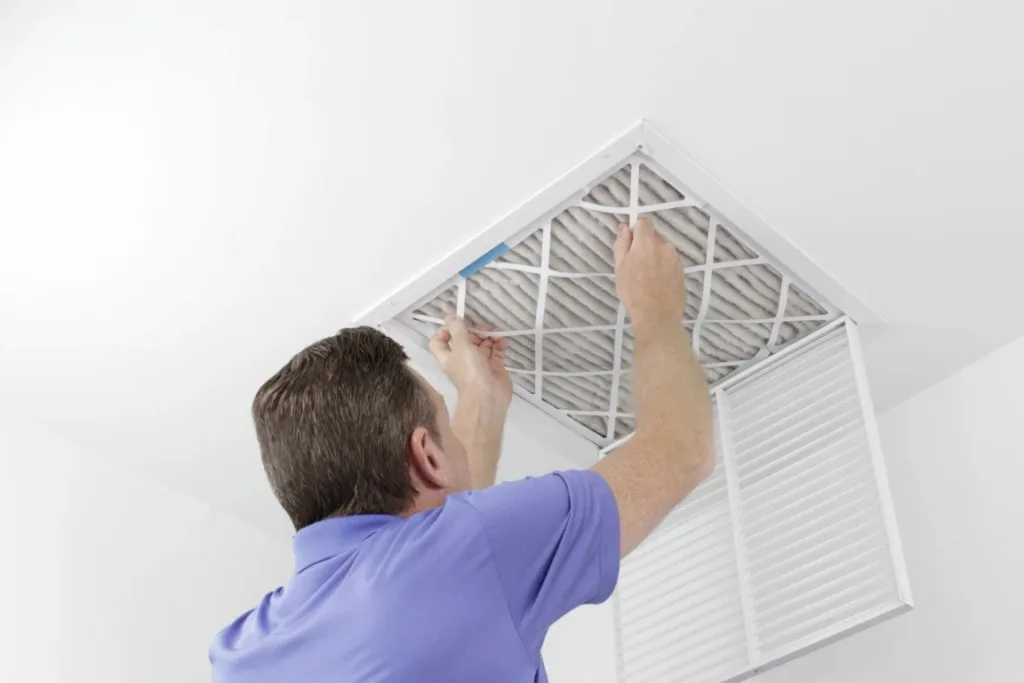
Don’t Forget About Your Filters
Changing your air filters regularly is one of the easiest ways to improve indoor air quality, reduce energy costs, and extend the life of your HVAC system. While general guidelines are every 30 to 90 days, your home’s needs may vary. Check your filters monthly, pay attention to system performance, and replace them sooner when necessary.
If you’re unsure which filters are best for your home, or if your system needs a tune-up, call Big Foot Heating & Cooling, and we can help you choose the right option to keep your equipment running efficiently.
Follow Us