
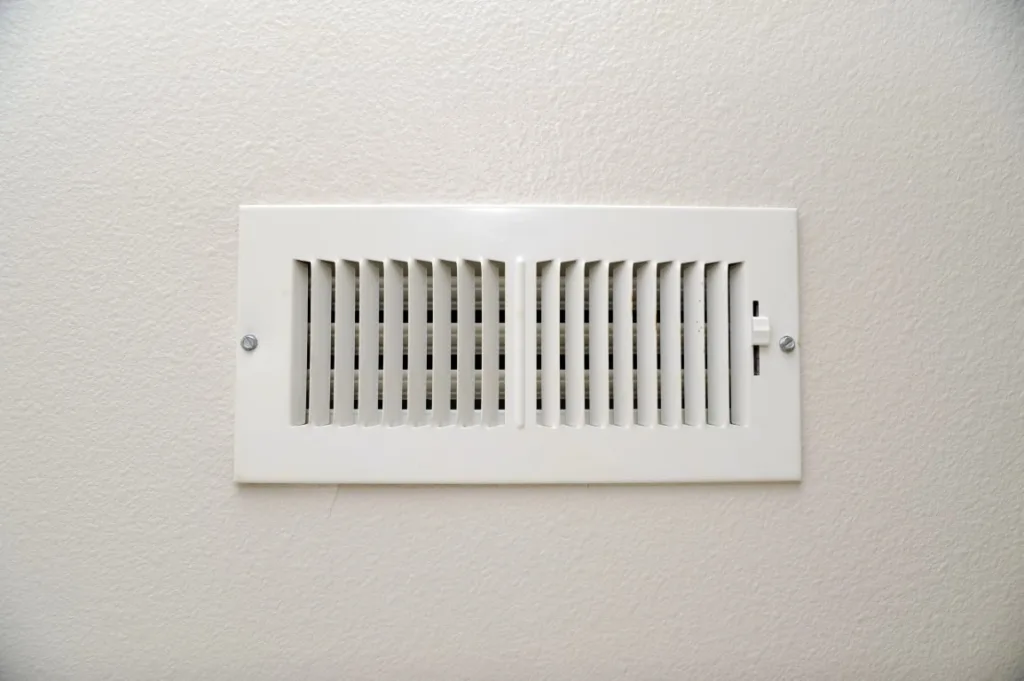
When considering indoor air quality, your air ducts may not be the first thing that comes to mind. They’re hidden behind walls, ceilings, and floors, which means they’re out of sight and easy to forget. However, the truth is that your air ducts can harbor a surprising amount of unwanted debris, which affects both your health and the performance of your HVAC system.
So, what exactly could be lurking in your air ducts?
Dust and Dirt Buildup
Dust is the most common contaminant found in air ducts. Over time, dust from furniture, clothing fibers, pet dander, and everyday activities settles inside the ductwork. Each time your HVAC system runs, some of that dust circulates throughout your home, contributing to poor indoor air quality and increased allergy symptoms.
The Environmental Protection Agency (EPA) estimates that indoor dust levels can be 70% higher in homes with dirty air ducts compared to those with clean ones.
Allergens and Pollen
Even if you keep your doors and windows closed, pollen and outdoor allergens can make their way inside. These particles can collect in air ducts and continuously recirculate, triggering allergies, asthma, and respiratory irritation, especially during peak allergy seasons.
The American Lung Association estimates that homes with dirty air ducts can have pollen concentrations up to 50% higher than outdoor levels.
Mold and Mildew
Moisture can collect inside ductwork, creating the perfect environment for mold and mildew growth. Condensation from air conditioning systems, humidity, or water leaks can lead to mold spores spreading throughout your home. This can cause musty odors and pose serious health risks, particularly for individuals with compromised immune systems or respiratory conditions.
The Centers for Disease Control (CDC) reports that half of all HVAC systems have evidence of moisture buildup that can lead to mold growth.
Pet Hair and Dander
If you have pets, their fur and dander not only settle on floors and furniture but also in your air ducts. Over time, this buildup can worsen allergies, reduce airflow, and make your home smell less fresh.
Insects and Rodents
Unfortunately, air ducts can become a hiding place for insects and even small rodents. These pests can leave behind droppings, nesting materials, and bacteria, all of which can contaminate the air circulating through your home. This can lead to unpleasant odors and spread diseases.
Construction Debris
Homes that have undergone remodeling or repairs often have leftover debris in the ductwork. Drywall dust, sawdust, insulation particles, and other construction materials can remain trapped in ducts long after a project is completed.
How Dirty Air Ducts Affect Your Home
Contaminated air ducts not only impact air quality, but they can also:
- Reduce HVAC efficiency
- Increase energy bills
- Cause uneven heating or cooling
- Contribute to lingering odors
- Put extra strain on your HVAC system, leading to a shorter lifespan
Health Effects of Dirty Air Ducts
Poor indoor air quality can contribute to:
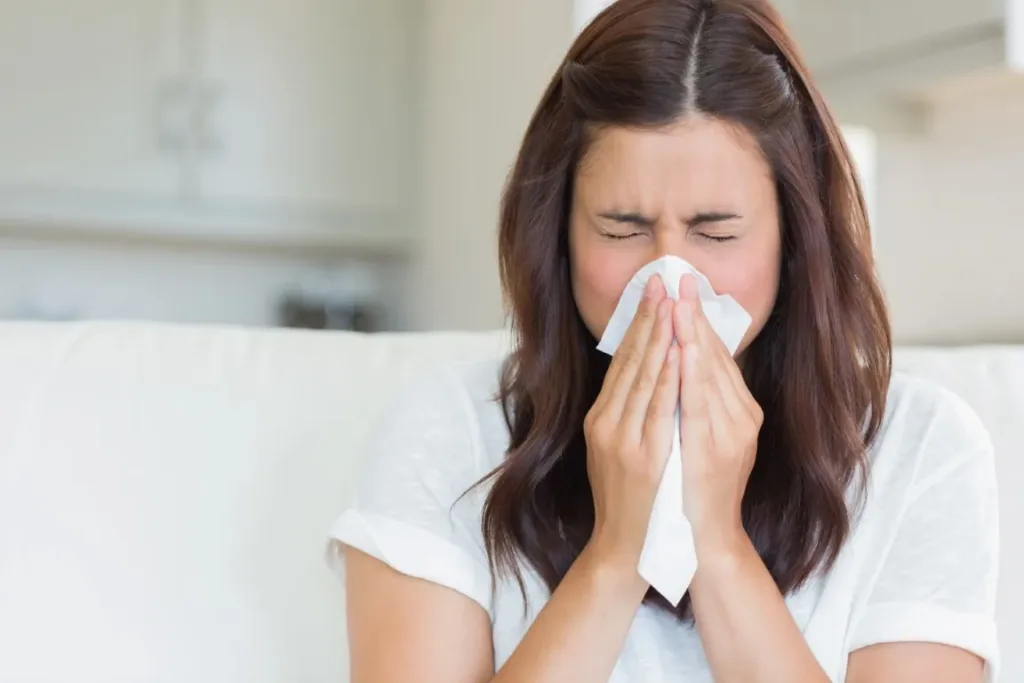
- Chronic coughing or sneezing
- Headaches and fatigue
- Sinus congestion
- Worsen asthma or allergy symptoms
- Skin and eye irritation
Children, seniors, and individuals with respiratory conditions are especially vulnerable to airborne pollutants trapped in ductwork.
Signs Your Air Ducts May Need Cleaning
You may benefit from professional air duct cleaning if you notice:
- Excessive dust on surfaces shortly after cleaning
- Musty or stale odors when your HVAC runs
- Increased allergy or asthma symptoms
- Visible dust or debris around vents
- Recent home renovations or pest issues
- Weak airflow or varying temperatures throughout your home
The National Air Duct Cleaners Association recommends investing in duct cleaning every three to five years. However, more frequent cleaning may be needed:
- If you have pets, allergies, or smokers in the home
- After major renovations or water damage
- Following pest infestations
A professional evaluation can help determine the right schedule for your home.
Breathe Easier with Professional Air Duct Cleaning
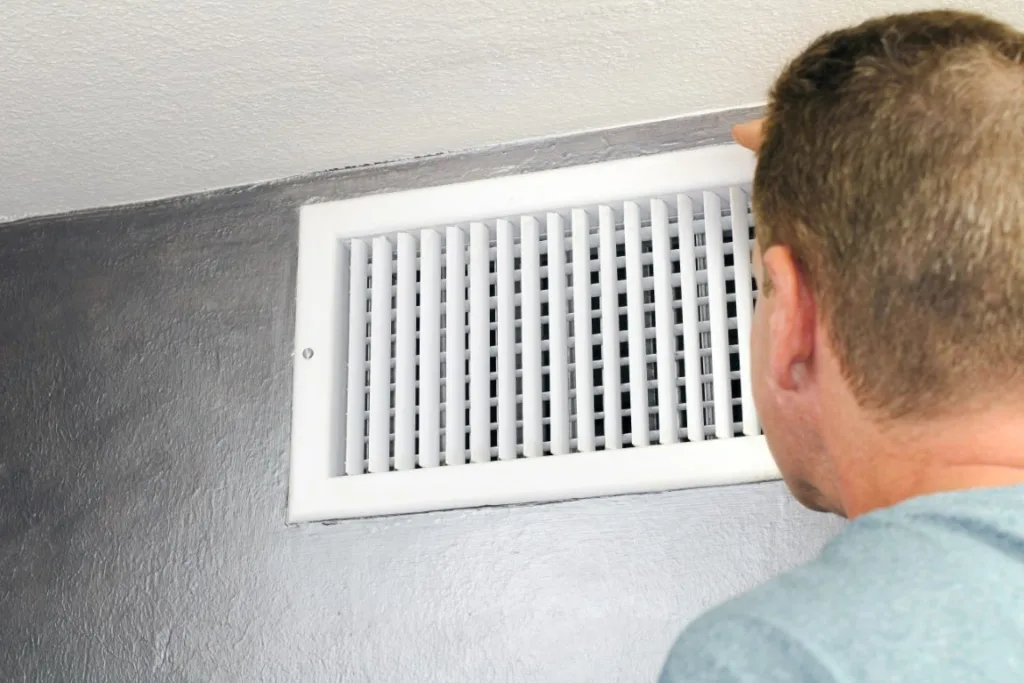
Regular air duct cleaning helps remove built-up contaminants, improves air quality, and allows your HVAC system to run more efficiently. A professional inspection can determine whether cleaning is necessary and ensure it’s done safely and thoroughly.
The EPA estimates that you can save up to 15% on your energy bill after a professional air duct cleaning.
Clean Air Ducts Mean a Clean Home
Your air ducts play a major role in the air you breathe every day. While they may be out of sight, what’s lurking inside them can have a real impact on your comfort, health, and energy costs. Keeping your air ducts clean is an important step toward a healthier, more efficient home.
Follow Us