
As temperatures begin to drop, you start to rely heavily on your furnace to keep you warm, safe, and comfortable. When this system fails, it can leave you in a dangerous spot during major cold snaps. Fortunately, many furnaces will show signs of trouble before you’re left with a complete breakdown.
Scheduling furnace repairs before winter can ensure you have reliable heating, improve efficiency, and potentially prevent more expensive damage. Here are some common signs your furnace may need professional attention.
1. Unusual Noises
Most furnaces make some noise when starting and operating, but new or unusually loud sounds may be a cause for concern.
Take note of any banging, popping, screeching, grinding, rattling, humming, rumbling, or repeating clicking noises.
A banging sound may indicate problems with the ignition or airflow, while grinding or squealing could mean you have an issue with the blower wheel, motor bearings, or another moving component. Banging and rattling are typically signs of loose components, cracked heat exchangers, or debris in the system.
Don’t ignore any new noises just because your furnace is still producing adequate heating.
2. Uneven Heating
If some rooms feel comfortable while others are noticeably chilly, you could be dealing with clogged filters, ductwork problems, airflow restrictions, thermostat issues, or furnace performance problems.
If adjusting the thermostat doesn’t solve the issue, you may want to have a professional inspect your heating system to ensure it’s operating properly.
3. Higher Energy Bills
An unexpected increase in heating costs can be a sign that your furnace is becoming less efficient.
Dirty or worn-out components, restricted airflow, mechanical problems, or aging parts can cause your system to run longer to maintain the desired temperature, contributing to higher energy consumption.
If your heating bills are rising without a significant change in usage, you may want to have your furnace inspected.
4. Short-Cycling
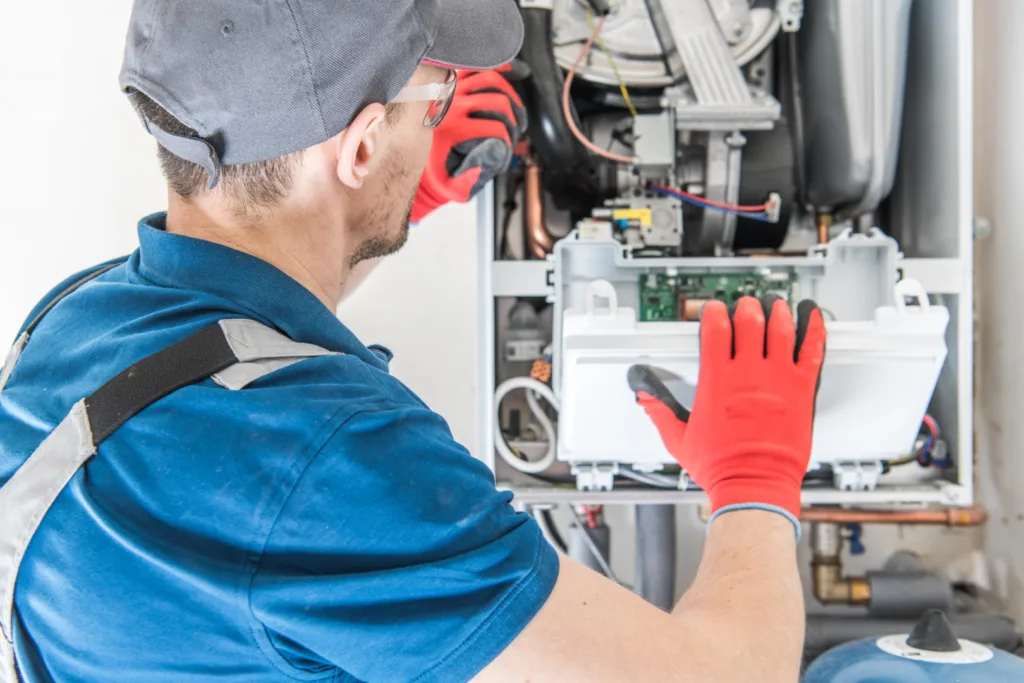
Short cycling occurs when a furnace repeatedly starts and stops without completing a normal heating cycle. This can prevent your home from maintaining a consistent temperature and put additional strain on the system.
This can be caused by clogged filters, thermostat problems, faulty sensors, an improperly sized furnace, or overheating.
Because frequent cycling can increase wear on furnace components, you should consider having the problem diagnosed before continuing to operate the system.
5. Furnace Struggling to Start
If your furnace takes multiple attempts to start, doesn’t turn on consistently, or suddenly stops working, there may be an issue with the ignition system, thermostat, electrical components, or another internal part.
If your furnace struggles to start, it may eventually stop working altogether, making fall an ideal time to schedule repairs.
6. Weak or Limited Airflow
If the air coming out of your vents feels significantly weaker than usual, there could be an obstruction or mechanical problem. A dirty filter, ductwork issue, or blower problem can all prevent air from flowing into your home.
You can quickly and easily replace a dirty filter, but if you still have airflow problems, you should schedule a professional evaluation.
7. Strange Smells
Furnaces often generate a brief, dusty smell when turned on after months of no use. However, a persistent or unusual odor could be a sign of a serious problem.
Burning smells, electrical odors, or the smell of fuel requires immediate attention. If you smell gas and suspect a leak, you should leave the area right away and contact the appropriate emergency or gas utility service, rather than attempting to diagnose or repair the problem yourself.
Carbon monoxide is another serious concern with fuel-burning appliances. Make sure you have a carbon monoxide detector installed and keep it maintained according to manufacturer recommendations.
Why Furnace Repairs Should Be Handled Before Winter
A furnace problem that seems minor today may cause a complete heating failure due to continuous use during the coldest months of the year. Taking care of worn components, improving reliability, and getting your system ready for increased demand in the fall will ensure you stay warm and safe during the winter.
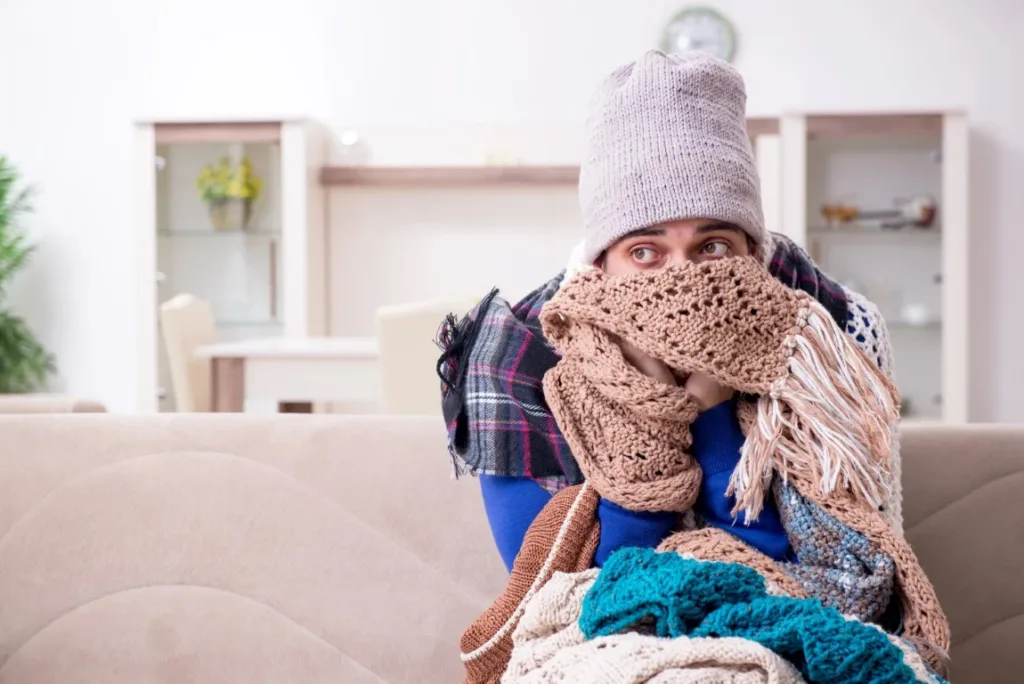
A professional HVAC technician may also uncover problems that may not be obvious, allowing you to make timely repairs or invest in a full replacement.
Prepare Your Furnace for Cold Weather
Don’t wait for the first freezing night to find out your furnace isn’t ready for winter. If you’ve noticed unusual noises or smells, inconsistent temperatures, rising energy bills, or frequent cycling, schedule a professional inspection or repair.
A little attention during the fall can help keep your home warm and comfortable during the coldest months of the year.
Follow Us