
When your heating or cooling system needs repairs, maintenance, or a replacement, you may be tempted to seek out the most affordable option. However, choosing a cheap HVAC contractor can sometimes end up costing you more.
While you may find a low estimate appealing, it may not always provide the best value. From the quality of the equipment to the experience of the technians, several factors can affect the performance, reliability, and lifespan of your HVAC system.
The Importance of Quality HVAC Work
Your heating and cooling system plays an important role in keeping your home comfortable throughout the year. Whether it’s a furnace in the winter or an air conditioner during the summer, you want a system that operates safely and efficiently.
Quality HVAC work involves more than simply installing equipment or replacing a faulty component. A qualified technician should check your system, identify the underlying problem, recommend an appropriate solution, and complete work according to manufacturer specifications and applicable codes.
When a company offers an unusually low price, it may be because it offers a smaller scope of work, different equipment, fewer included services, or other factors that could affect the overall value.
Choosing a reputable HVAC company helps ensure that your system receives the attention it needs to operate reliably.
Low Prices Can Sometimes Mean Lower-Quality Equipment
Not all HVAC systems are created equal. Equipment can vary in energy efficiency, performance, features, warranty coverage, and expected service life.
A lower-priced system may not have the same features or be as efficient as other options. While it might work for some households, you should ask questions before making a decision.
When comparing HVAC estimates, ask about:
Energy Efficiency — While efficient equipment may cost more upfront, it can cut down on energy consumption over time.
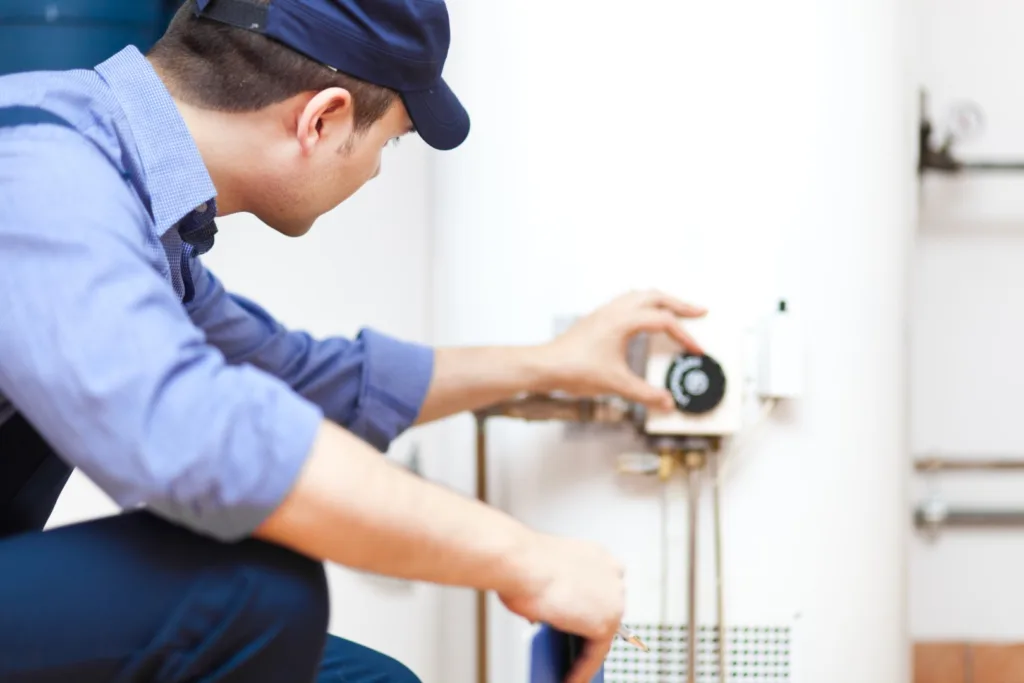
Equipment Sizing — In order to have effective heating and cooling, you need a properly sized system. An oversized or undersized unit may struggle to keep up with demand and maintain consistent temperatures.
Manufacturer Warranties — Coverage can vary based on equipment and manufacturer, so it’s important to understand what is included in your policy and whether registration is required.
System Features — Some units may include variable-speed operation, humidity control, and advanced thermostats that can improve comfort, depending on your needs.
Long-Term Operating Costs — Consider estimated energy use and maintenance requirements, not just the purchase price.
This doesn’t mean you have to buy the most expensive system, just one that can meet your home’s needs and provide dependable performance.
Inexperienced Installation Can Lead to Costly Problems
Even a high-quality HVAC system can perform poorly if it’s installed incorrectly. Proper installation requires technical knowledge, attention to detail, and an understanding of how the equipment will work with your home’s ductwork, electrical systems, ventilation, and other components.
Installation mistakes can lead to uneven temperatures, reduced efficiency, frequent breakdowns, poor airflow, and premature equipment failure.
Choosing an experienced instead of a cheap HVAC technician can help reduce the risk of problems. Before hiring a contractor, ask about qualifications, licencing requirements, insurance, and experience.
Cheap HVAC May Not Save You Money on Energy Bills
Heating and cooling systems use a substantial amount of energy in many homes. Equipment condition, system efficiency, insulation, ductwork, thermostat settings, and maintenance habits can all affect your monthly utility bills.
A cheap HVAC system or poorly performed repair may leave your equipment operating less efficiently than it should. Ask your HVAC contractor to explain the efficiency ratings of the equipment you’re considering and how those ratings relate to your home’s needs.
Hidden Fees Can Make a Cheap Estimate More Expensive
An unusually low estimate may not always include everything needed to complete the job. Some quotes may exclude important services or list additional charges separately.
However, this doesn’t mean every low estimate is misleading. Some companies may structure their pricing differently, and a lower quote may simply reflect a more straightforward job or a different business model.

Before approving any HVAC work, ask for an itemized estimate that explains the equipment, labor, included services, potential additional costs, and warranty coverage. Make sure you understand what is included in the quoted price and what could increase the final bill.
Choose Value Over the Lowest Price
When it comes to your home’s heating or cooling system, the cheapest option is not always the most economical choice. Poor installation, unexpected fees, inefficient equipment, and recurring repairs can turn an attractive initial price into a much larger expense.
If your HVAC system needs repair, maintenance, or replacement, you can trust Big Foot Heating & Cooling to help you understand your options and choose a solution that fits your home and budget and keeps you comfortable no matter the time of year.
Follow Us