

When temperatures climb during the summer months, your air conditioner has to work even harder to keep your home cool. While modern HVAC systems are designed to handle hot weather, prolonged periods of extreme heat can put significant stress on equipment, leading to higher bills, reduced performance, and even unexpected breakdowns.
Today, we’ll discuss how extreme heat affects your HVAC system and what steps you can take to maintain your home’s comfort and avoid costly repairs.
Why Extreme Heat Challenges Your Air Conditioner
Your air conditioner works by removing heat from inside your home and transferring it outdoors. As outdoor temperatures rise, your system has to work harder to release that heat. The higher the temperature difference between indoors and outdoors, the more strain is placed on your equipment.
During extreme heat waves, your air conditioner may run continuously for hours at a time just to maintain the setting on your thermostat. This increased demand can accelerate wear and tear on critical components.
Common Effects of Extreme Heat on HVAC Systems
Increased Energy Consumption
One of the first things homeowners may notice during extreme heat is a spike in utility bills. As your system runs longer cycles and works harder to cool your home, it consumes more electricity.
Factors that can increase energy use include:
- Poor attic insulation
- Air leaks around doors and windows
- Dirty air filters
- Aging HVAC equipment
- Inadequate system sizing
Even a well-maintained system will use more energy during a heat wave, but efficiency issues can make the increase much more significant.
Reduced Cooling Performance
Many homeowners expect their air conditioner to maintain any temperature they choose, but every system has its limits. Most residential HVAC systems are designed to keep indoor temperatures approximately 15 to 20 degrees cooler than the outdoor temperature.
If it’s 100°F outside, your system may struggle to maintain temperatures in the low 70s. This doesn’t mean your unit is failing, just that it may have reached maximum capacity.
Greater Wear and Tear
Continuous operation places additional stress on compressors, condenser fans, capacitors, motors, electrical connections, and other components. Over time, excessive strain can shorten the lifespan of your equipment and increase the likelihood of mechanical failure.

Overheating Outdoor Units
Your outdoor condenser unit relies on adequate airflow to release heat. During periods of extreme heat, the surrounding air is already very warm, making heat transfer less efficient.
If the condenser is obstructed by debris, vegetation, or dirt buildup, the problem becomes even worse. Restricted airflow can lead to overheating and system shutdowns.
Refrigerant System Stress
High outdoor temperatures can increase refrigerant pressure throughout the system. While HVAC equipment is designed to handle pressure fluctuations, prolonged heat can expose existing weaknesses, such as leaks or worn components.
Low refrigerant levels combined with extreme temperatures can significantly reduce cooling performance and increase compressor strain. Since the compressor is the “heart” of your unit, prolonged use can lead to burnout.
Signs Your HVAC System Is Struggling
If you experience longer cooling cycles, uneven temperatures throughout your home, unusual noises, frequent cycling on and off, rising energy bills, or excess humidity indoors, you should schedule a professional inspection to avoid a complete breakdown.
How You Can Reduce HVAC Stress During Heat Waves
Replace Air Filters Regularly — A clogged air filter restricts airflow and forces your system to work harder. During the peak of summer, check filters monthly and replace them as needed (typically every one to three months).
Keep the Outdoor Unit Clean — Remove leaves, grass clippings, weeds, and other debris that have built up around the condenser, ensuring you have at least two feet of clearance around the unit for proper airflow.
Close Curtains and Blinds — Use curtains and blinds to block direct sunlight in your home. This can significantly reduce indoor heat gain and help your air conditioner maintain comfortable temperatures.
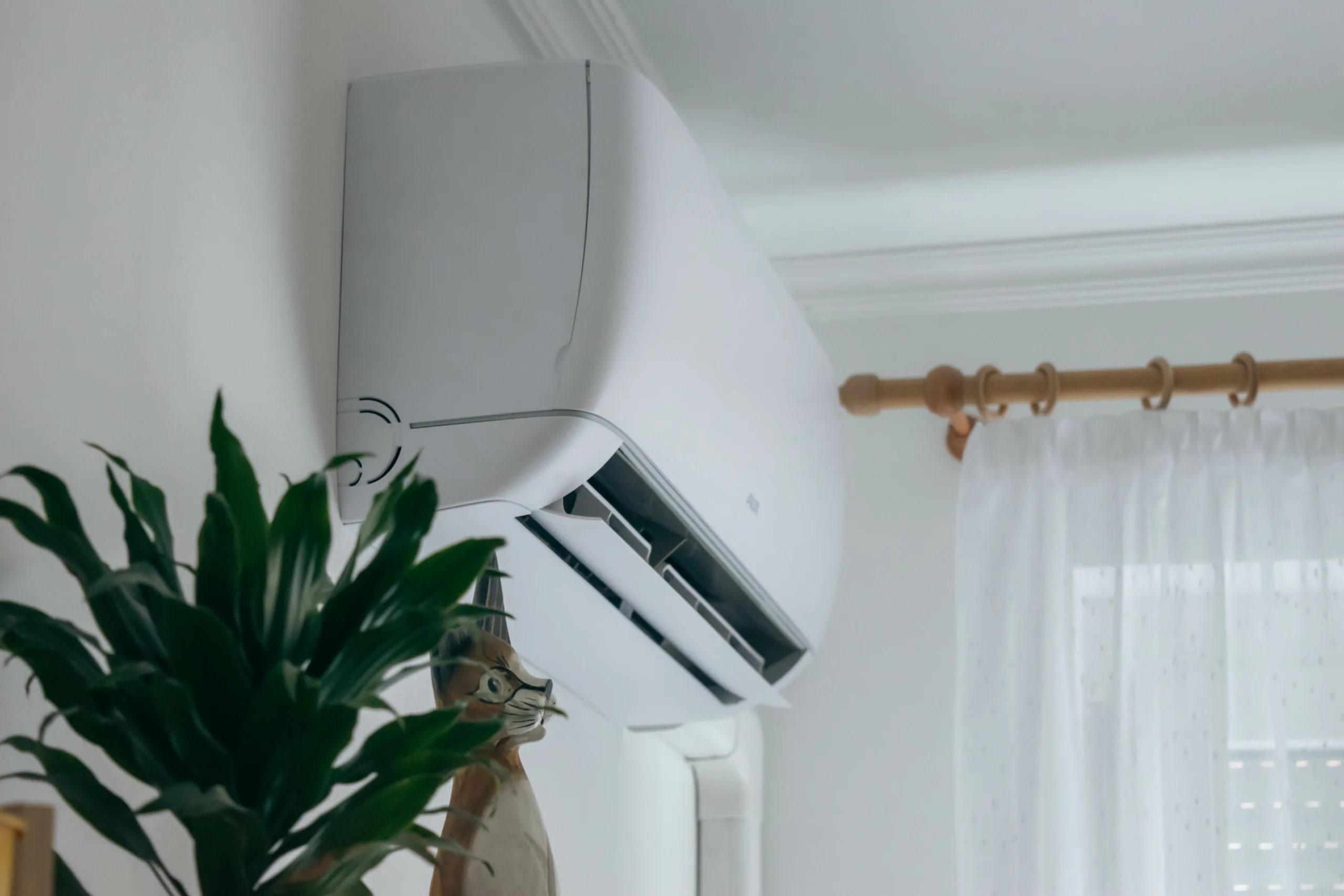
Seal Air Leaks — Weatherstripping doors, sealing windows, and addressing duct leaks can prevent cooled air from escaping and reduce overall system workload.
Schedule Seasonal Checkups — Routine HVAC maintenance will help you identify worn components, recurring issues, and air restrictions before they become major problems.
Stay Comfortable All Summer Long
Extreme heat is tough on your HVAC system, but proper maintenance and timely repairs help ensure your equipment performs reliably when you need it most. If your air conditioner struggles to keep up with rising temperatures, investing in professional services can help you identify underlying issues and restore efficient operation, keeping you cool and comfortable throughout the summer.
Follow Us