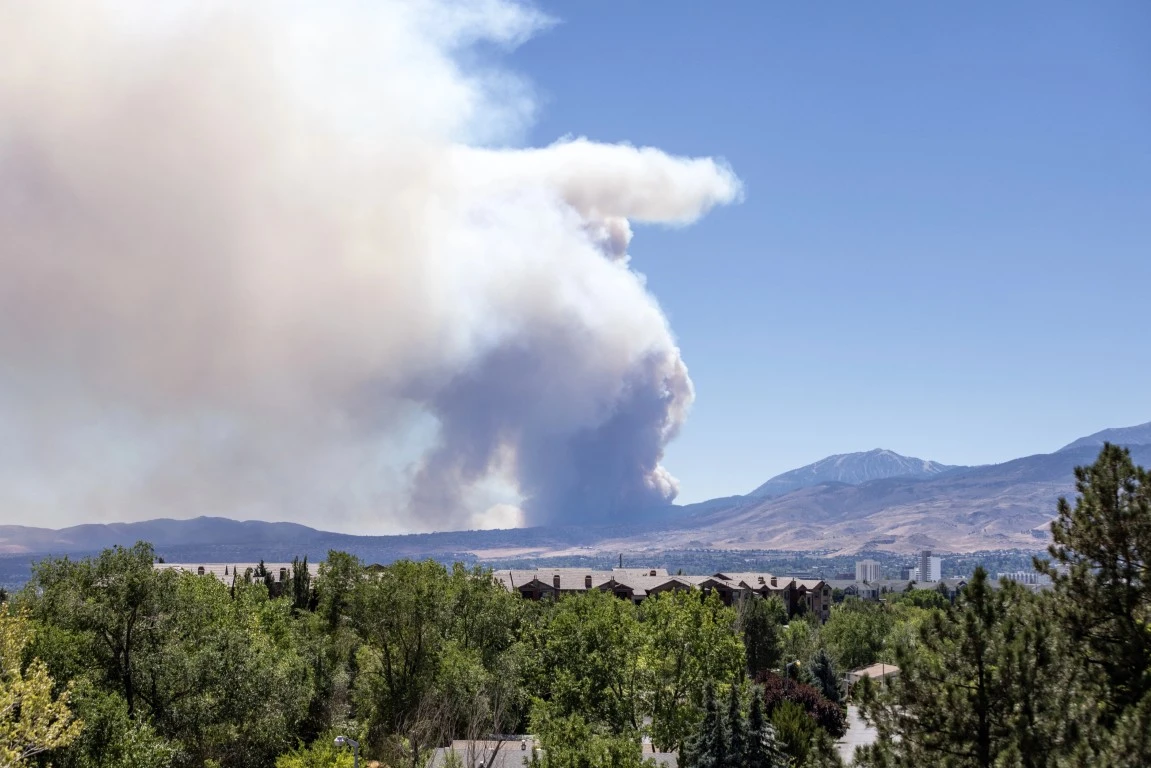
When a wildfire ignites, its effects often extend far beyond the immediate burn area. Even if it is located hundreds of miles away, smoke can still travel long distances and significantly impact air quality. While many people worry about outdoor air pollution during wildfire season, indoor air quality can also suffer — sometimes more than homeowners realize.
Below, we’ll discuss how wildfire smoke affects your home’s air and what you can do to protect your family, reduce health risks, and improve comfort during smoky conditions.
Breaking Down the Properties of Wildfire Smoke
Wildfire smoke is a complex mixture of gases and fine particles produced when vegetation, trees, and other materials burn. It contains:
Fine particulate matter (PM2.5) — This is the most dangerous element of wildfire smoke. These microscopic fine particles measure 2.5 microns or smaller, allowing them to easily bypass the body’s natural defenses, penetrate deep into the lungs, and even enter the bloodstream.
Toxic Gases — Smoke contains a variety of hazardous gases and chemicals, including carbon monoxide, nitrogen oxides, volatile organic compounds (VOCs), and trace minerals.
Wildfire smoke can also contain other potentially harmful pollutants.
How Wildfire Smoke Gets Inside Your Home
Many homeowners may assume that closing their doors and windows seals their home against outdoor pollution. Unfortunately, smoke particles can still find their way indoors through:
- Gaps around windows and doors
- Attic vents and crawl spaces
- Exhaust fans
- Chimneys and fireplaces
- HVAC systems drawing in outdoor air
- Small cracks in the building envelope
As smoke infiltrates your home, indoor air quality can quickly deteriorate, especially if you have inadequate filtration systems.
Health Effects of Poor Indoor Air Quality
Wildfire smoke can affect anyone, but certain groups are particularly vulnerable, including children, older adults, pregnant women, and individuals with asthma or heart disease.
Smoke exposure can cause coughing, sore throat, eye irritation, headaches, shortness of breath, fatigue, and worsening asthma or allergy symptoms.
Even healthy individuals may experience some of these symptoms when exposed to elevated levels of particulate matter for extended periods.
The Importance of a Well-Functioning HVAC System

Your HVAC system plays an important role in maintaining indoor air quality during wildfire events. When functioning properly, it can help filter out airborne contaminants and circulate cleaner air throughout your home.
However, not all filtration systems are equally effective.
Standard air filters primarily protect HVAC equipment from dust and debris. During wildfire season, you may want to consider upgrading to a higher-efficiency filter to help capture more fine particles before they circulate through your home.
Before installing any upgraded filter, ensure it’s compatible with your current HVAC system. If the filter is too restrictive, it can reduce airflow and place unnecessary strain on the equipment.
The Benefits of High-Efficiency Air Filtration
One of the most effective ways to combat wildfire smoke indoors is through enhanced air filtration.
High-MERV Filters — Filters with high MERV (Minimum Efficiency Reporting Value) ratings can capture smaller particles more efficiently than standard filters.
Whole-Home Air Purifiers — Integrated air purification systems work along with your HVAC to remove airborne contaminants throughout your entire home.
HEPA Filtration Systems — Some homes may benefit from HEPA-based filtration solutions that capture a high percentage of fine particles.
An HVAC professional can recommend the best solution based on your home’s size, existing system, and air quality concerns.
Tips for Protecting Indoor Air During Wildfire Season
In addition to upgrading filtration, homeowners can take several steps to reduce indoor exposure.
Keep Windows and Doors Closed — Limit the amount of outdoor air entering your home when smoke levels are elevated.
Run Your HVAC Fan — Circulate indoor air through your filtration system to help remove airborne particles.
Replace Air Filters More Frequently — Keep an eye on your air filters, as wildfire smoke can quickly load them with particulate matter, reducing their effectiveness.
Avoid Adding Indoor Pollutants — During smoky days, avoid activities that can worsen indoor air quality, such as burning candles, using wood-burning fireplaces, smoking indoors, or frying foods that produce excess smoke.
Seal Leaks — Use weatherstripping and caulk to reduce smoke infiltration around windows and doors.
Consider an Indoor Air Quality Assessment
If your home frequently experiences smoky conditions or if you have family members with respiratory issues, you may want to consider having your indoor air inspected. HVAC professionals can evaluate your current system, identify potential air quality concerns, and recommend solutions to keep your indoor environment healthy and safe year-round.

Protect Your Home During Wildfire Season
Wildfire smoke doesn’t just affect you when you go outside. Fine particles can easily enter your home and affect indoor air quality, potentially putting your family at risk. Fortunately, by investing in proper HVAC maintenance, effective filtration, and air quality improvements, you can significantly reduce smoke exposure and keep your home’s air clean.
If you’re worried about indoor air quality during wildfire season, contact Big Foot Heating & Cooling to discuss filtration upgrades, air purification options, and other solutions tailored to your needs.
Follow Us