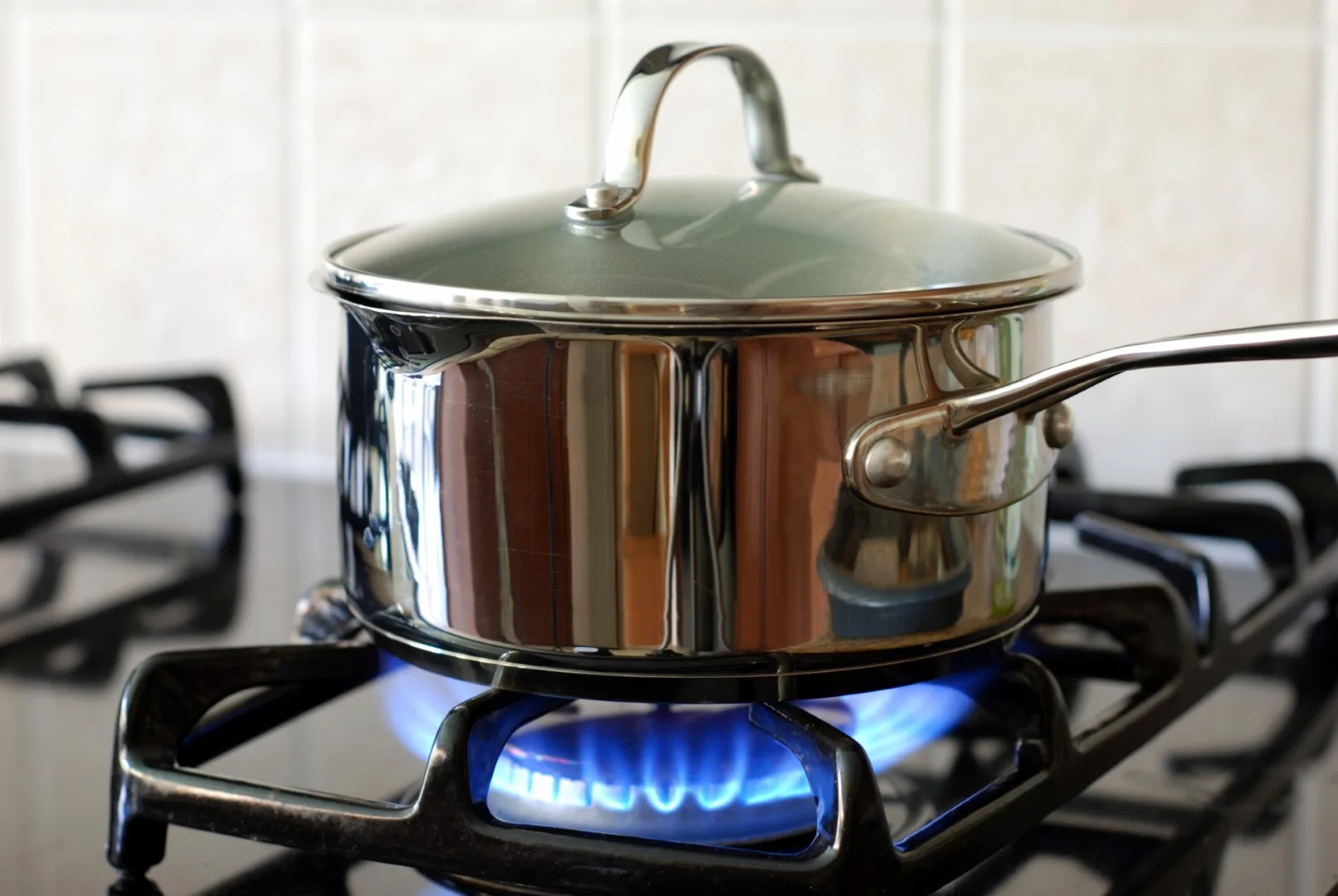
Many homeowners who enjoy cooking, want greater control in the kitchen, or more value in their home, choose to upgrade from an electric stove to a gas stove. While electric ranges have improved significantly over the years, gas stoves continue to be the preferred choice for many professional chefs and home cooks due to their responsiveness, versatility, and reliability.
If you’re considering converting your kitchen from electric to natural gas or propane, understanding the benefits can help you decide if it’s the right investment for your home.
Why Homeowners Choose Gas Stoves
Gas stoves offer several advantages that go beyond simply changing your cooking appliance. They offer a different cooking experience that many people find easier, faster, and more enjoyable.
1. Instant Heat and Temperature Control
One of the biggest benefits of a gas stove is immediate heat. When you turn the burner on, the flame appears instantly, and when you reduce the flame, the heat decreases immediately.
The level of responsiveness allows you to easily simmer delicate sauces, quickly boil water, sear meats at high temperatures, keep food from overcooking, and make quick temperature adjustments.
Electric burners often take time to heat up and cool down, making precise cooking more difficult.
2. Better Cooking Performance
Many homeowners switch to gas simply because they enjoy cooking more with an open flame.
Gas burners distribute heat evenly around cookware and enhance a variety of cooking techniques, including stir-frying, sauteing, roasting, charing vegetables, flambe cooking, and slow simmering.
Whether you only prepare simple family dinners or enjoy experimenting with new recipes, gas offers greater flexibility and precision.
3. Ability to Cook During Power Outages
Many gas cooktops can still be lit manually during a power outage. If your home loses electricity due to storms or other emergencies, you may still be able to prepare meals using a match or lighter. This added convenience can be especially valuable during extended outages.
Note: Make sure to always follow the manufacturer’s safety instructions.
4. Compatibility with Many Types of Cookware
Gas stoves work with nearly every type of cookware, including stainless steel, cast iron, carbon steel, copper, aluminum, and ceramic cookware. Unlike induction cooktops, gas doesn’t require magnetic cookware.
5. Better Experience for Serious Home Cooks
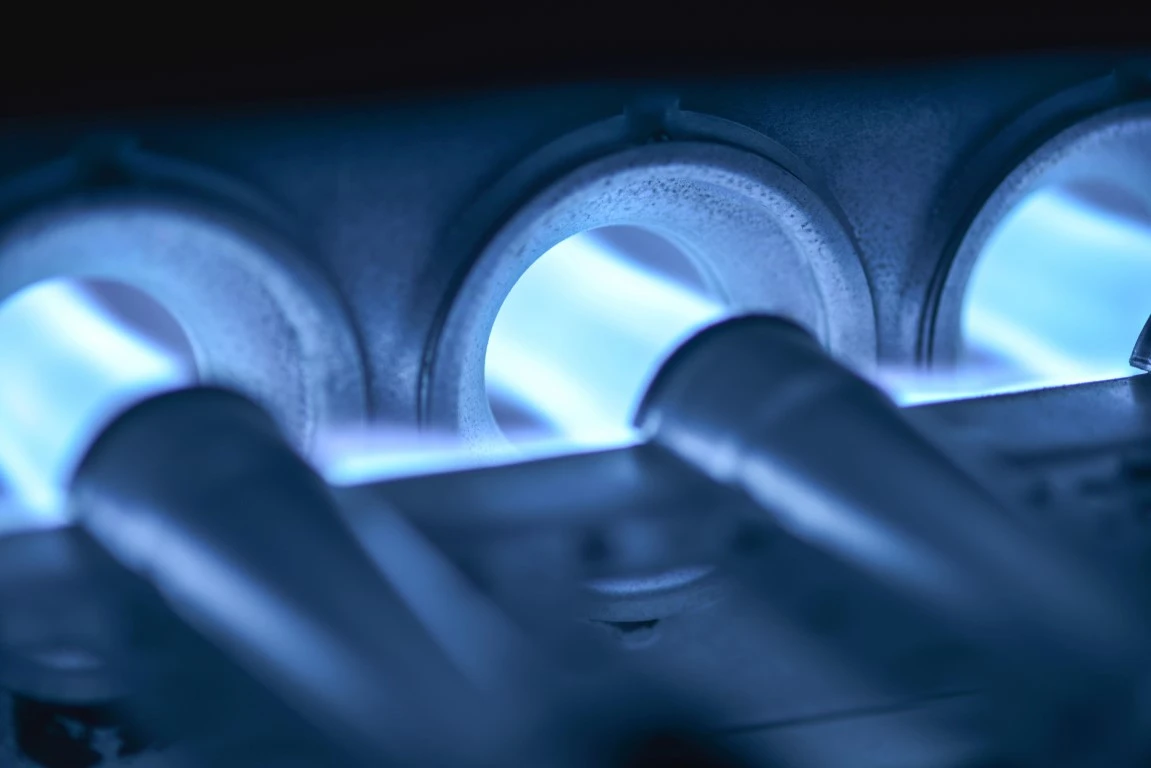
Professional kitchens prefer gas cooking because it offers better flame control, faster adjustments, consistent performance, visual feedback from the flame, and high-heat cooking capabilities.
If you enjoy cooking frequently, you’ll likely appreciate the increased precision.
6. Added Appeal During Kitchen Remodels
For many buyers, a gas range is considered a desirable kitchen feature.
It may not dramatically increase your home’s value on its own, but it can make your kitchen more attractive during resale, especially in markets where gas cooking is popular.
7. Simpler Mechanical Parts and Tougher Materials
Since natural gas stoves lack complex internal electronic control boards, component repairs are often easier and less expensive. Robust cast-iron grates can also easily handle heavy cookware without the risk of scratching or cracking.
Natural Gas and Propane Options
If your home already has natural gas service, you may only need to extend a gas line to the kitchen. If natural gas isn’t available in your area, propane can provide many of the same cooking benefits with proper equipment and installation.
An experienced HVAC or gas piping contractor can determine which option works best for your home.
Things to Consider Before Switching
Although there are many advantages, converting from electric to gas involves more than replacing the appliance.
A professional installation may include:
- Installing or extending a gas line
- Ensuring proper gas pressure
- Adding or upgrading shut-off valves
- Confirming appliance compatibility
- Testing for leaks
- Verifying local code compliance
Professionals may also ensure you have proper ventilation. Gas combustion can release byproducts, like carbon monoxide and nitrogen dioxide, that can impact indoor air quality. Having a properly installed ducted range hood can keep hazards out of your living space.

Having the conversion completed by a qualified professional ensures your new stove operates safely and efficiently.
Is a Gas Stove Right for You?
A gas stove can be an excellent upgrade if you like responsive cooking, precise temperature control, and dependable performance. Whether you’re remodeling your kitchen or simply looking to improve your cooking experience, converting from electric to gas offers benefits that you’ll appreciate for years to come.
If you’re considering making the switch, work with the experienced team at Big Foot Heating & Cooling. We will evaluate your home’s existing capabilities, install the necessary gas connections safely, and ensure your stove is ready to perform at its best.
Follow Us