

Like many machines, your HVAC system isn’t completely silent. It’s normal to hear the gentle hum of the fan, the click of the thermostat, or the sound of air moving through your vents. However, if your heating or cooling system starts making loud, unusual, or persistent sounds, you may have a serious problem on your hands.
Ignoring strange HVAC noises can lead to more expensive repairs, reduced energy efficiency, or even complete system failure. Below, we will explain what different noises may indicate to help you know when you need to call a professional.
Why Do HVAC Systems Make Strange Noises?
HVAC systems contain many moving parts, including motors, fans, compressors, belts, and electrical components. As these parts wear over time or become damaged, they can produce noises that signal a developing problem.
While some HVAC noises and issues are minor, others require immediate attention to prevent further damage.
1. Banging or Clanking
A loud banging or clanking sound can immediately cause you concern.
This jarring noise is often caused by loose or broken internal components, a damaged blower wheel, a failing motor, or loose connecting rods or crankshaft components (often found in older systems).
If the banging is coming from the outdoor unit, the compressor may have broken internal parts. Because compressors are one of the most expensive HVAC components to replace, you should schedule service as soon as possible.
2. Screeching or Squealing
High-pitched squealing often means moving parts are experiencing excessive friction. This could be caused by worn motor bearings, a failing blower motor, belt issues, or a malfunctioning fan motor.
If ignored, these problems can eventually cause the motor to seize, leading to a much larger repair.
3. Buzzing
A buzzing sound can have several causes, ranging from simple to serious. Potential reasons include loose electrical connections, a failing capacitor, refrigerant leaks, dirty condenser coils, loose fan blades, or compressor problems.
Because electrical issues can pose safety risks, you should never ignore buzzing noises.
4. Clicking
A single soft click when your HVAC system starts or stops is normal. However, continuous or repeated clicking may indicate a faulty thermostat, a defective relay, electrical control board issues, or problems with the ignition system (for furnaces).
If your system keeps clicking but won’t start, you should schedule a professional inspection.
5. Rattling
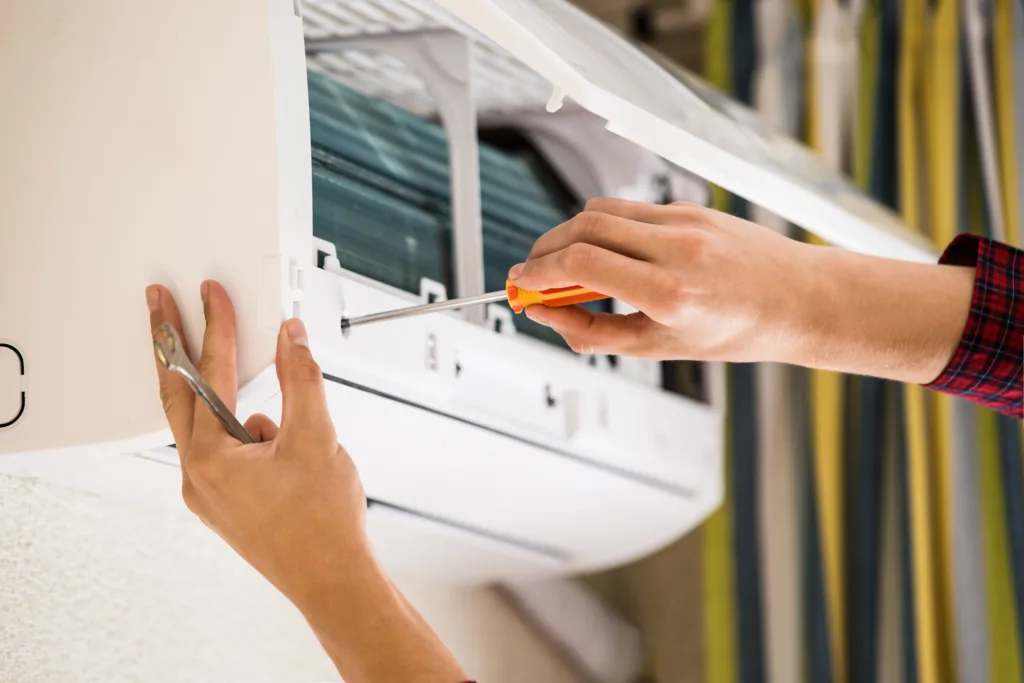
Rattling typically indicates that something can come loose, such as a scew or panel. It may also mean you have debris inside the outdoor unit, loose ductwork, or aging equipment with worn components.
You may just need to tighten some hardware. But if you do check your system and still hear rattling, you may need to schedule professional attention to prevent other parts from getting damaged.
6. Hissing
You should always take a hissing sound seriously. It could be a sign of refrigerant leaks, leaking ductwork, high-pressure valve leaks, air escaping from damaged seals, or dangerously high internal pressure.
Refrigerant leaks not only reduce your system’s efficiency but can also damage the compressor if refrigerant levels get too low.
7. Whistling
If your HVAC system sounds like it’s whistling, airflow is likely being restricted by dirty air filters, closed or blocked vents, or undersized ductwork. You may also have leaky air ducts.
Replacing a clogged air filter is often the first and easiest step to solving this problem.
8. Grinding
Grinding noises usually come from metal parts rubbing against each other. If you hear this sound, you may be dealing with worn motor bearings, blower motor failure, or broken internal motor components.
Continuing to operate the system when you hear a grinding noise can quickly turn a repair into a complete motor replacement.
9. Popping
You may hear popping sounds for a variety of reasons. During heating season, expanding and contracting ductwork often generates harmless popping sounds.
However, loud or frequent popping could mean you have dirty burners, ductwork issues, excessive air pressure, or ignition problems.
If the sound seems to be coming from your furnace, not your ductwork, you should schedule an inspection promptly.
When Should You Call an HVAC Professional?
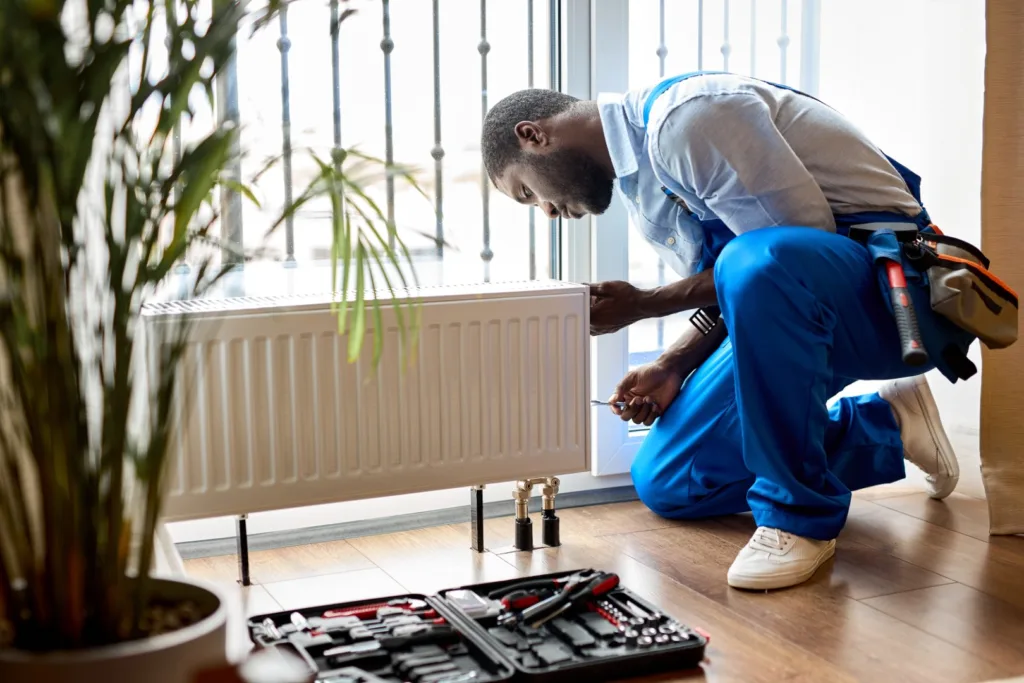
While some simple maintenance tasks, like changing filters or removing debris, can solve minor issues, you should schedule professional service if a strange noise starts suddenly, if the sound becomes louder over time, your system isn’t heating or cooling properly, you notice higher energy bills, or the sounds are accompanied by burning smells, water leaks, or electrical odors.
Don’t Ignore Strange HVAC Noises
Unusual HVAC noises often indicate that your system needs immediate attention. Whether it’s a banging compressor, a squealing blower motor, or a hissing refrigerant leak, addressing the problem early can prevent larger repairs, improve energy efficiency, and keep your home comfortable year-round.
Follow Us